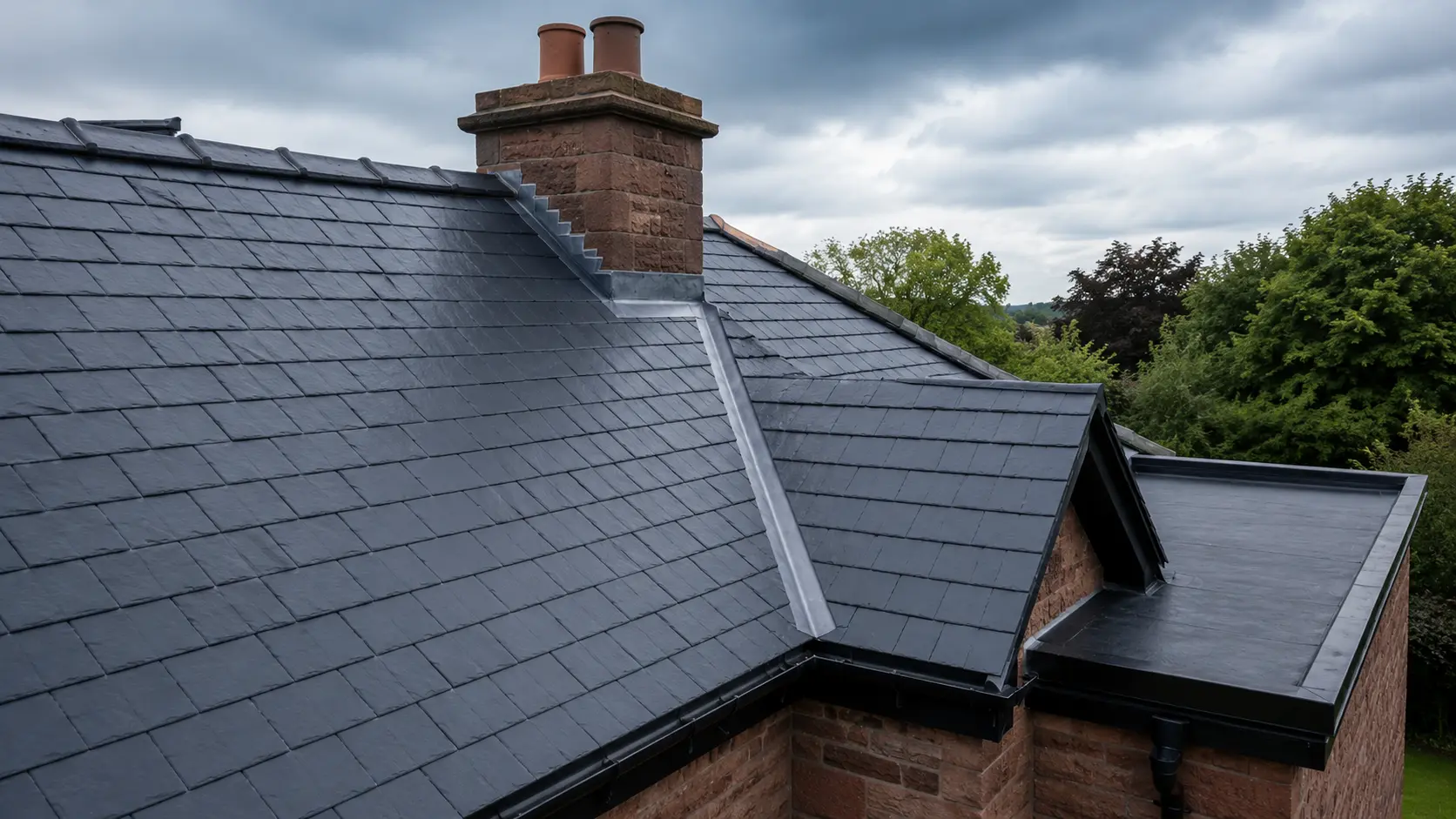
13 years’ roofing experienceSlate, tile and flat roofs
Dumfries and Galloway roofing
Ridge Tile Repairs Dumfries
Ridge tiles loose, cracked or sitting wrong? Tell us what you can see and we will visit to survey the roof, then send you a free quote in writing.
Fully insured: £5m public liabilityNew roofs from £7,500Free no-obligation quote
0800 055 4334Monday–Sunday, 10am–5pm
Finance from £22 a weekSubject to status. Terms apply.
What you can expect
Fully insuredConfidence on every job
Workmanship guaranteeBacked by our guarantee
Free quotesA written scope
Ridge and verge repairs
Ridge tile repair, re-bedding and dry-ridge work
A ridge line that has gone uneven, or mortar that is crumbling away, is a sign the top of the roof needs a look. Poor bedding or fixings can affect the ridge tiles and the courses just below them. More about our work: roof repairs in Dumfries.
The answer may be local re-bedding or repointing, swapping a slipped piece, work to a verge or a dry-ridge system.
Concrete and clay ridge tiles must follow the line already on the roof, and the state of the tiles, mortar, fixings and nearby covering decides whether repair or renewal makes more sense.
Last updated 17 November 2026
Service overview
Common ridge tile repair needs
We treat the ridge as a part of the roof in its own right, not as one more tile problem.
- Loose or slipped ridge tilesMovement at the top can disturb the courses below and open a way in for weather.
- Failed bedding mortarMortar that has cracked or weathered may no longer hold the tiles firmly.
- Cracked ridge tilesA damaged piece may need replacing, with the line either side checked.
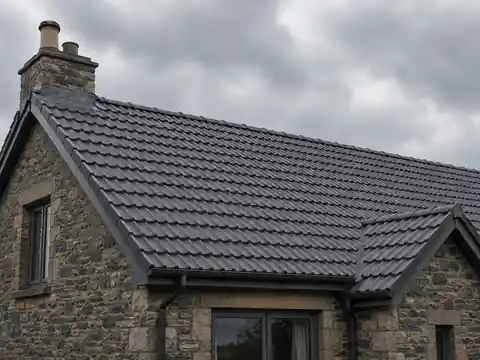
- Roof vergeThe exposed side edge of a pitched roof can need its own attention.
- Dry-ridge systemsMechanical fixing is an option where it suits the roof and what is already there.
Why ridges fail
Why ridge tiles slip or loosen
A ridge sits where wind and rain hit hardest. Ageing mortar, movement, worn fixings and the state of the tiles themselves all affect whether the line stays secure.
Do not deal with a loose ridge piece from up on the roof unless access is safe, and have the courses beneath it checked too.
- The state of the tiles, bedding and fixings.
- How much of the ridge or verge is affected.
- Whether the movement has reached the courses below.
Repair route
Re-bedding or a dry-ridge system
Re-bedding is reasonable when the existing tiles and ridge line are still sound. A dry-ridge system can be considered where the method and detailing suit the roof.
Where mortar is the main trouble rather than a ridge or verge part, our repointing page covers it separately.
For more detail, see Roof repointing.
- How good the existing ridge tiles are.
- The mortar, fixings and construction beneath.
- Safe access and how long the affected line is.
Dumfries and Galloway
Ridge repairs for Dumfries roofs
A ridge takes wind from several directions and sheds water onto both slopes. Even small changes need attention before the upper courses are left exposed.
Ridge length, fixing method, tile condition, pitch and the access needed to reach the roof safely all affect the quotation.
Before deciding on re-bedding or a dry-ridge system, we look along the full visible ridge for loose tiles, mortar that has gone, damaged fixings and shifting in the top courses.
Questions
Common questions
Wind, ageing bedding mortar, movement, cracked tiles or worn fixings can each loosen part of a ridge.
Often, if the tiles and the line are otherwise sound. We decide after looking at the ridge.
It holds the ridge with mechanical fixings and purpose-made parts rather than relying only on mortar.
The length of ridge involved, whether it is mortar-bedded or dry-fixed, the condition of the tiles and the access needed all shape the price.
Request a quote
Tell us about the roof
We need three things: what you have seen, the property’s location and the service that fits best.